
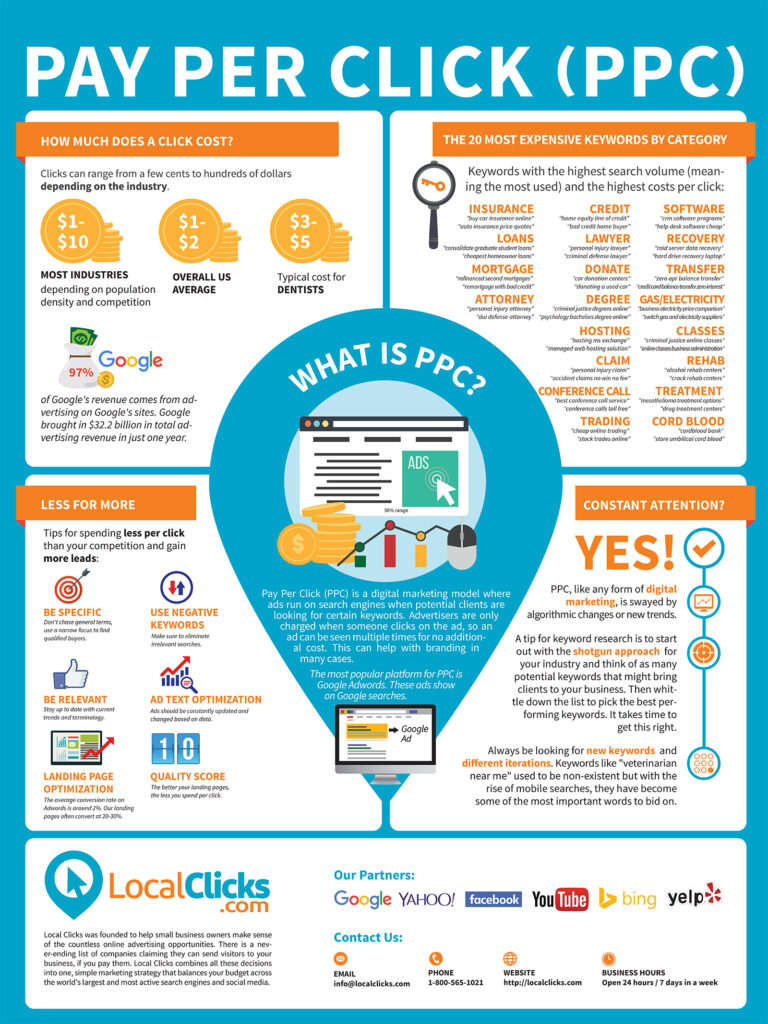
Digital Marketing with Google Ads & PPC has become one of the most effective ways for businesses to generate targeted traffic, qualified leads, and measurable revenue in today’s competitive online landscape. Unlike organic marketing efforts that take time, paid advertising delivers immediate visibility on search engines and partner platforms.
This blog explores how Digital Marketing with Google Ads & PPC works, why it matters, and how businesses can use it strategically for sustainable growth.
Contents
- 1 What Is Digital Marketing with Google Ads?
- 2 Why Digital Marketing with Google Ads Is Important
- 3 How Google Ads Works in Digital Marketing
- 4 Types of Google Ads Campaigns
- 5 PPC Strategy Best Practices
- 6 Budgeting and Bidding in PPC
- 7 Measuring Success in Google Ads
- 8 Common Mistakes to Avoid
- 9 Integrating PPC with Overall Digital Marketing
- 10 Learning and Resources
What Is Digital Marketing with Google Ads?
Digital Marketing with Google Ads refers to the practice of running paid advertisements on Google’s advertising network, where advertisers pay a fee each time someone clicks on their ad. PPC stands for “Pay-Per-Click,” a model that ensures you only pay for actual engagement rather than impressions alone.
Google Ads allows advertisers to display ads on:
- Google Search results
- YouTube videos
- Google Display Network
- Google Shopping
- Partner websites and mobile apps
By leveraging Digital Marketing with Google Ads, brands can reach users exactly when they are searching for related products or services.
Why Digital Marketing with Google Ads Is Important
Instant Visibility
Unlike SEO, which can take months, Digital Marketing with Google Ads provides instant exposure at the top of search engine results pages.
Highly Targeted Advertising
Advertisers can target audiences by:
- Keywords
- Location
- Device
- Demographics
- User behavior
This level of precision makes Digital Marketing with Google Ads is highly cost-effective.
Measurable Results
Every aspect of a campaign can be tracked, including impressions, clicks, conversions, and ROI. This data-driven approach makes optimization easier and more accurate.
How Google Ads Works in Digital Marketing
Keyword-Based Targeting
At the core of Digital Marketing with Google Ads is keyword bidding. Advertisers bid on keywords that potential customers are likely to search for.
Ad Auction System
Google uses an auction system to determine which ads appear. Factors include:
- Bid amount
- Ad relevance
- Quality Score
- Landing page experience
Winning the auction doesn’t always mean the highest bid; quality and relevance matter just as much.
Types of Google Ads Campaigns
Search Ads
Search ads appear on Google search results when users type relevant queries. These are ideal for high-intent keywords and are a cornerstone of Digital Marketing with Google Ads.
Display Ads
Display ads appear on websites, apps, and videos across the Google Display Network, helping businesses increase brand awareness.
Video Ads
YouTube advertising allows brands to connect visually with audiences, supporting Digital Marketing with Google Ads strategies focused on engagement.
Shopping Ads
Ecommerce businesses benefit greatly from Shopping Ads, which showcase products directly in search results.
PPC Strategy Best Practices
Keyword Research
Strong keyword research ensures your ads reach the right audience. Use a mix of:
- Short-tail keywords
- Long-tail keywords
- Branded terms
This balance improves campaign efficiency in Digital Marketing with Google Ads.
Ad Copy Optimization
Compelling headlines and clear calls-to-action increase click-through rates. Testing multiple versions is essential for long-term success.
Landing Page Alignment
Your landing page should match the intent of your ad. A seamless experience improves conversions and Quality Score.
Budgeting and Bidding in PPC
Smart Budget Allocation
Start with a controlled budget and scale campaigns based on performance. Digital Marketing with Google Ads allows flexibility to pause, adjust, or expand spending anytime.
Automated vs Manual Bidding
Google Ads offers automated bidding strategies like:
- Maximize clicks
- Target CPA
- Target ROAS
Choosing the right bidding strategy depends on your campaign goals.
Measuring Success in Google Ads
Key Performance Indicators (KPIs)
Track metrics such as:
- Click-through rate (CTR)
- Cost per click (CPC)
- Conversion rate
- Return on ad spend (ROAS)
These insights help refine Digital Marketing with Google Ads campaigns over time.
Continuous Optimization
Successful PPC advertising is not a one-time setup. Regular monitoring, A/B testing, and keyword refinement are essential.
Common Mistakes to Avoid
Broad Targeting
Targeting overly broad keywords can drain budgets without delivering results.
Ignoring Negative Keywords
Negative keywords prevent ads from showing for irrelevant searches, improving efficiency.
Poor Conversion Tracking
Without proper tracking, it’s impossible to understand the true value of Digital Marketing with Google Ads efforts.
Integrating PPC with Overall Digital Marketing
Digital Marketing with Google Ads works best when combined with:
- SEO
- Content marketing
- Email marketing
- Social media campaigns
Together, these channels create a well-rounded digital presence that nurtures users throughout the customer journey.
Learning and Resources
To improve your PPC skills, you can explore trusted resources like the official Google Ads Help Center:
https://support.google.com/google-ads
For deeper insights into paid marketing strategies, check our internal guide on search engine marketing fundamentals:
https://www.maharajammr.com